
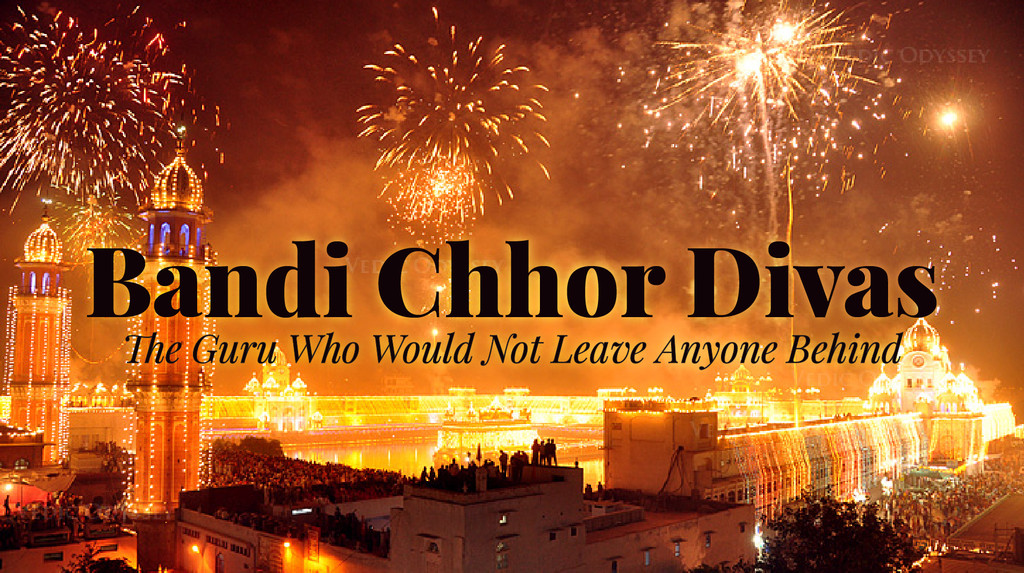
The remarkable Sikh story of 52 prisoners, a specially made cloak, and a powerful lesson about freedom for all.
Freedom for One, or Freedom for All?

Source: Wikimedia
Source: Wikimedia
Imagine spending years imprisoned behind the towering walls of a fortress.
Then, one day, you are told you are free to leave.
But there’s a catch: 52 others must remain behind.
Would you walk out?
According to Sikh tradition, this was the choice faced by Guru Hargobind Sahib Ji, the sixth Sikh Guru, who had been imprisoned at Gwalior Fort under Mughal Emperor Jahangir.
When the Emperor agreed to release him, Guru Hargobind Sahib Ji refused to accept freedom for himself alone.
He insisted that 52 imprisoned rulers be freed too.
The Cloak That Freed 52 Prisoners

According to the traditional account, the Emperor agreed to a condition: only those who could hold onto the Guru’s clothing would be allowed to leave with him.
It seemed an impossible challenge.
But Guru Hargobind Sahib Ji had a remarkable solution.
He arranged for a special cloak to be made with 52 long tassels or strips of cloth.
Each prisoner held onto one.
And together, all 52 walked out of the fortress as free men.
This extraordinary account gave rise to the name Bandi Chhor, meaning “Liberator of Prisoners.”
Why the Lights Still Shine
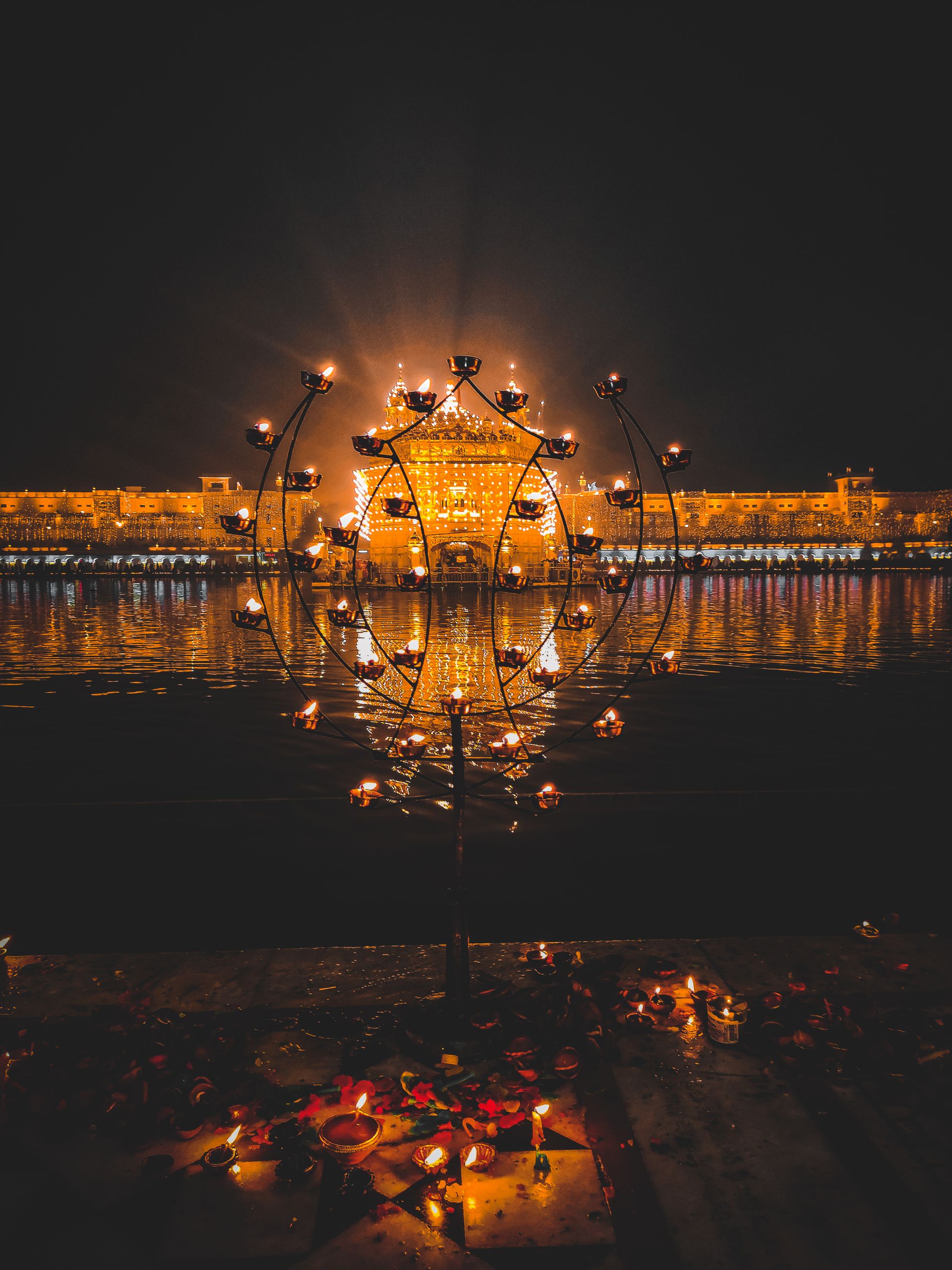
Image credit: Deepak Singh Source: Pexels
Image credit: Deepak Singh Source: Pexels
The Guru’s release and his return to Amritsar became an occasion of great celebration. Sikh tradition recalls lamps illuminating the city to welcome him home.
Today, Sikhs commemorate this occasion as Bandi Chhor Divas, observed around the same time as Diwali but with its own distinct historical and religious significance.
Gurdwaras are illuminated, prayers and kirtan (devotional singing) bring communities together, and families gather to celebrate.
But beyond the lights and festivities lies a message that remains as relevant today as it was centuries ago.
True freedom is not simply about securing our own rights. It is about standing up for the freedom and dignity of others.
And perhaps that is the greatest lesson of Bandi Chhor Divas:
The Guru could have walked out alone. Instead, he chose to bring 52 others with him.
Sources and further reading
- Shiromani Gurdwara Parbandhak Committee (SGPC) — Sri Guru Hargobind Sahib Ji — The Guru’s life, imprisonment, release of 52 rulers and connection to Bandi Chhor Divas.
- The Sikh Coalition — Sikh Celebrations Educational Guide — A clear explanation of Bandi Chhor Divas and the traditional account of the cloak with 52 tassels.
- Government of India, Ministry of Tourism — Bandi Chhorh Diwas — The celebration’s significance and contemporary traditions.