
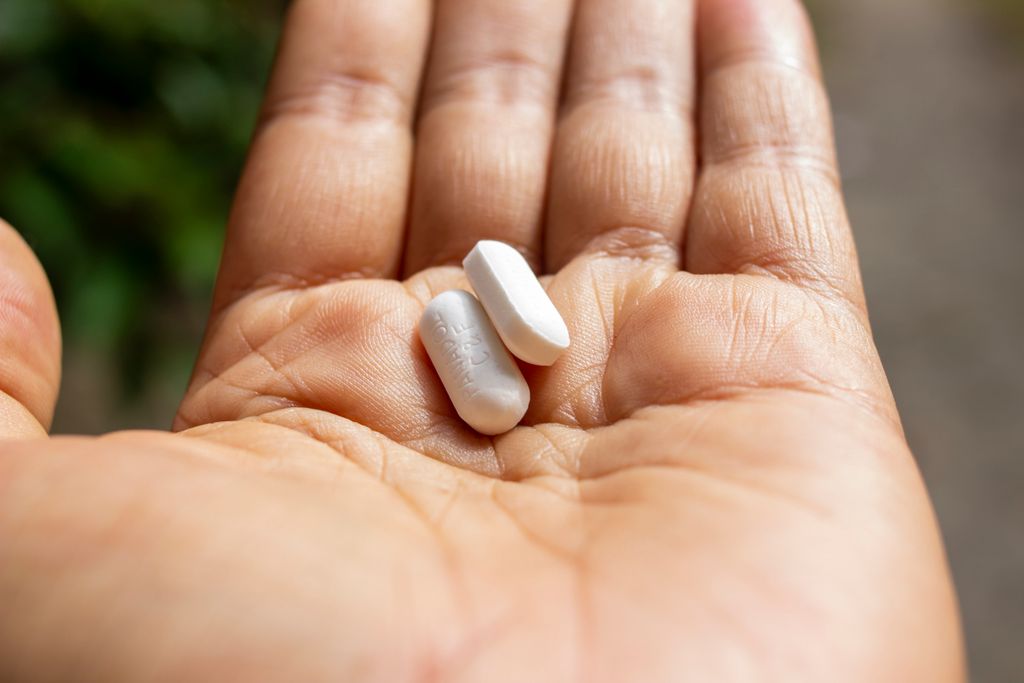
Many of us have had the experience of feeling sick and wondering whether an antibiotic might help. A sore throat, cough, fever or sinus pressure can make it tempting to think that antibiotics will help us recover faster. The difficulty is that antibiotics only work against certain infections, and using them when they are not needed can cause problems of its own. That is especially worth talking about this month. The World Health Organization recognizes November 18 to 24 as World Antimicrobial Resistance Awareness Week; an annual campaign focused on protecting medicines such as antibiotics so that they continue to work when they are truly needed.
Antibiotics are medicines used to treat bacterial infections. Health Canada and HealthLink BC both emphasize an important distinction: antibiotics do not work against viruses. This means they will not treat illnesses such as the common cold or influenza. Many coughs, sore throats and other respiratory illnesses are also caused by viruses, although symptoms alone do not always tell us the cause. Whether an antibiotic is appropriate depends on the specific illness and the person being assessed, which is why this decision is best made with a healthcare professional.
When antibiotics are needed, they can be extremely important. Certain bacterial infections may require antibiotic treatment, and delaying appropriate care can also be harmful. The goal is therefore not to avoid antibiotics, but to use them appropriately. If you are prescribed an antibiotic, follow the instructions provided by your prescriber and pharmacist, including how much to take and how long to take it. If you develop side effects, have questions about a dose, or are unsure whether you should continue the medication, speak with your healthcare provider or pharmacist rather than making changes on your own.
Another important issue is antimicrobial resistance, often shortened to AMR. The World Health Organization explains that resistance develops when bacteria and other germs change over time and no longer respond to medicines that previously worked against them. In other words, it is the germs that become resistant, not the person taking the antibiotic. This can make some infections harder to treat and may limit the medicines available in the future.
The Public Health Agency of Canada identifies the overuse and misuse of antimicrobial medicines as important contributors to this problem. There are a few practical habits families can keep in mind. Antibiotics should not be shared with another person, and leftover antibiotics from an old prescription should not be taken for a new illness. Health Canada also recommends returning unused or expired medications to a pharmacy or nursing station for safe disposal rather than saving them for another time.
It is also worth remembering that not receiving an antibiotic does not mean a health concern is being ignored. Sometimes an assessment suggests that an illness is viral or that an antibiotic would not provide benefit. HealthLink BC notes that viral infections often improve without antibiotics, although persistent or worsening symptoms should be reassessed. If you are unsure how to manage symptoms, a family doctor, nurse practitioner or pharmacist can help, and people in British Columbia can also call HealthLink BC at 8-1-1 for health advice.
Antibiotics are one of the most valuable tools in modern medicine, but their value depends partly on using them carefully. For families, the takeaway does not need to be complicated: do not assume every infection needs an antibiotic, take prescribed antibiotics exactly as directed, do not share or reuse old prescriptions, and ask questions when something is unclear. Using antibiotics responsibly helps protect the person who needs them today and helps preserve their effectiveness for the future.

Leave a Reply