
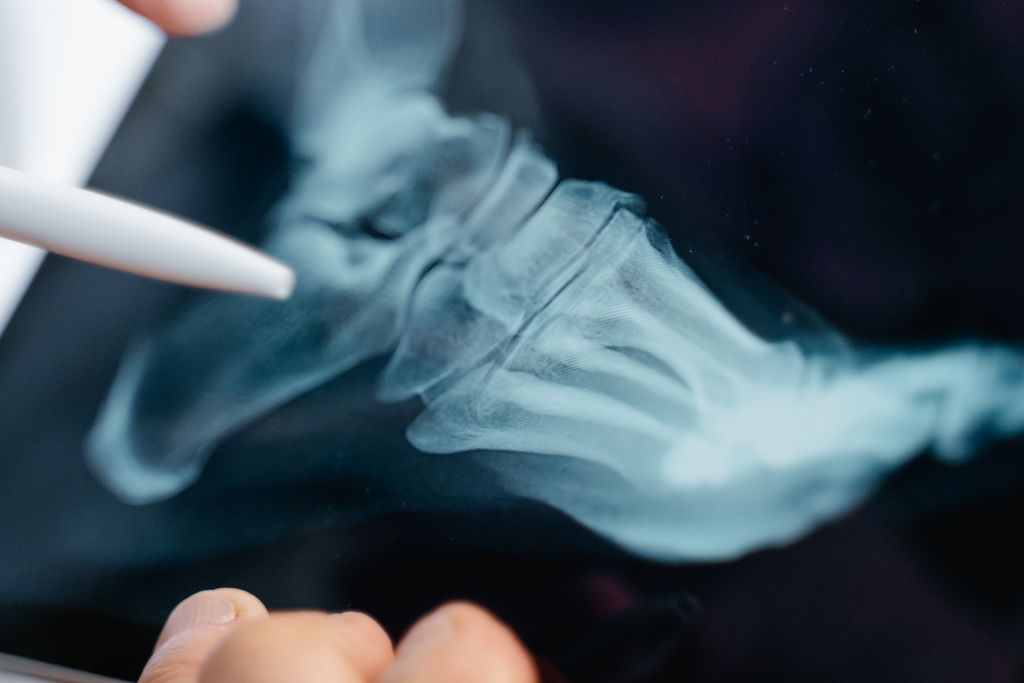
Most of us do not spend much time thinking about our bones. We think about blood pressure, blood sugar and heart health, or maybe our joints when they start to hurt. Bone health can be easier to overlook. Often, it only becomes a concern after someone falls and breaks a wrist, hip or another bone. With November recognized as Osteoporosis Month in Canada, it is a good time to think about what keeps our bones strong and what can happen when they gradually weaken over time.
Osteoporosis is a condition in which bones become weaker and more likely to break. It is often described as a “silent” disease because bone loss can happen gradually without causing pain or obvious symptoms. Someone may feel completely well and have no idea their bones have weakened until a fracture occurs. According to the Public Health Agency of Canada, almost 2.5 million Canadians aged 40 and older were living with diagnosed osteoporosis in 2019–2020.
It is also more common than many people realize. Osteoporosis Canada estimates that at least one in three women and one in five men will experience an osteoporotic fracture during their lifetime. Women are affected more often, particularly after menopause when declining estrogen can contribute to faster bone loss, but osteoporosis is not only a women’s health issue. Men can develop it as well, and risk generally increases with age.
One important term to know is a “fragility fracture.” This is a broken bone that occurs after relatively minor trauma, such as a fall from standing height or less. Common sites include the wrist, spine, shoulder and hip. A fracture like this, especially in an older adult, should not always be dismissed as simply an unlucky fall. Sometimes it can be a sign that the bones themselves have become weaker and may be worth discussing with a healthcare professional.
Age is one important risk factor, but it is not the only one. A previous fragility fracture, family history of osteoporosis or hip fracture, smoking, low body weight and certain medical conditions can all increase risk. Long-term use of some medications, including corticosteroids such as prednisone, may also affect bone strength. If you are concerned about your own risk, a family doctor, nurse practitioner or pharmacist can help review your medical history, medications and other factors that may be relevant.
There are also everyday habits that support bone health. Calcium is an important building block for bones and can be found in foods such as milk, yogurt, cheese, fortified plant-based beverages, tofu and some leafy green vegetables. Vitamin D helps the body absorb calcium. Canadian guidance includes recommendations for vitamin D intake as we get older, but individual needs can vary. Before starting or changing a supplement, particularly if you have other health conditions or take medications, it is reasonable to speak with your family doctor or pharmacist about what is appropriate for you.
Physical activity is another important part of maintaining bone and muscle strength. Weight-bearing activities such as walking and climbing stairs, along with resistance exercises, can support bone health. Balance and strength become especially important as we age because preventing falls is also part of preventing fractures. Simple changes around the home, including good lighting, removing tripping hazards and wearing supportive footwear, can also help reduce fall risk.
Some people may benefit from a bone mineral density test, often called a BMD test. This test measures bone density and is considered alongside factors such as age, previous fractures, family history, medical conditions and certain medications when assessing future fracture risk. Screening is not identical for everyone, so rather than assuming a test is needed based on age alone, it is worth asking your healthcare provider whether and when bone density testing is appropriate for you.
In many families, we pay close attention to bone health once a parent or grandparent has already fallen or broken a bone. It deserves some attention before that happens too. Staying active, eating well, reducing fall risks and knowing whether you have factors that increase your risk of osteoporosis are useful places to start. If you have had a fracture after a minor fall, are concerned about your bone health or are unsure whether you need further assessment, bring it up at your next healthcare visit.
Strong bones are easy to take for granted when they are doing their job, but protecting them can help
us stay mobile, independent and active as we get older.
Leave a Reply